THE YOUNG AND THE RESTLESS: THE UNTOLD STORY OF DUMAS – FORGED IN BETRAYAL
The Flashback That Changes Everything: Lily’s Unseen Weapon
For years, the disappearance of Cane Ashby and his shocking return as the enigmatic Aristotle Dumas has been shrouded in mystery. We knew he had built a formidable, often nefarious, empire, but the true catalyst remained elusive. Now, a bombshell flashback from a recent episode dramatically rewrites this origin story, pointing to an unthinkable source of his transformation: Lily Winters. The pivotal scene takes us back six years, to a heated outdoor restaurant confrontation between the couple. Cane, desperate, tried to explain that his father, Colin, was dying and wished to see his grandchildren, Mattie and Charlie, one last time. But Lily’s reaction was nothing short of astonishing. She “freaked out,” vehemently forbidding Cane from bringing their kids near his “bad influence” father. The tension escalated to a boiling point when Lily, in a moment of shocking coldness, not only threatened to prevent Cane from seeing his own children but snapped that his temper wouldn’t make her change her mind. This wasn’t just an argument; it was a devastating strike at the very core of Cane’s identity as a father.
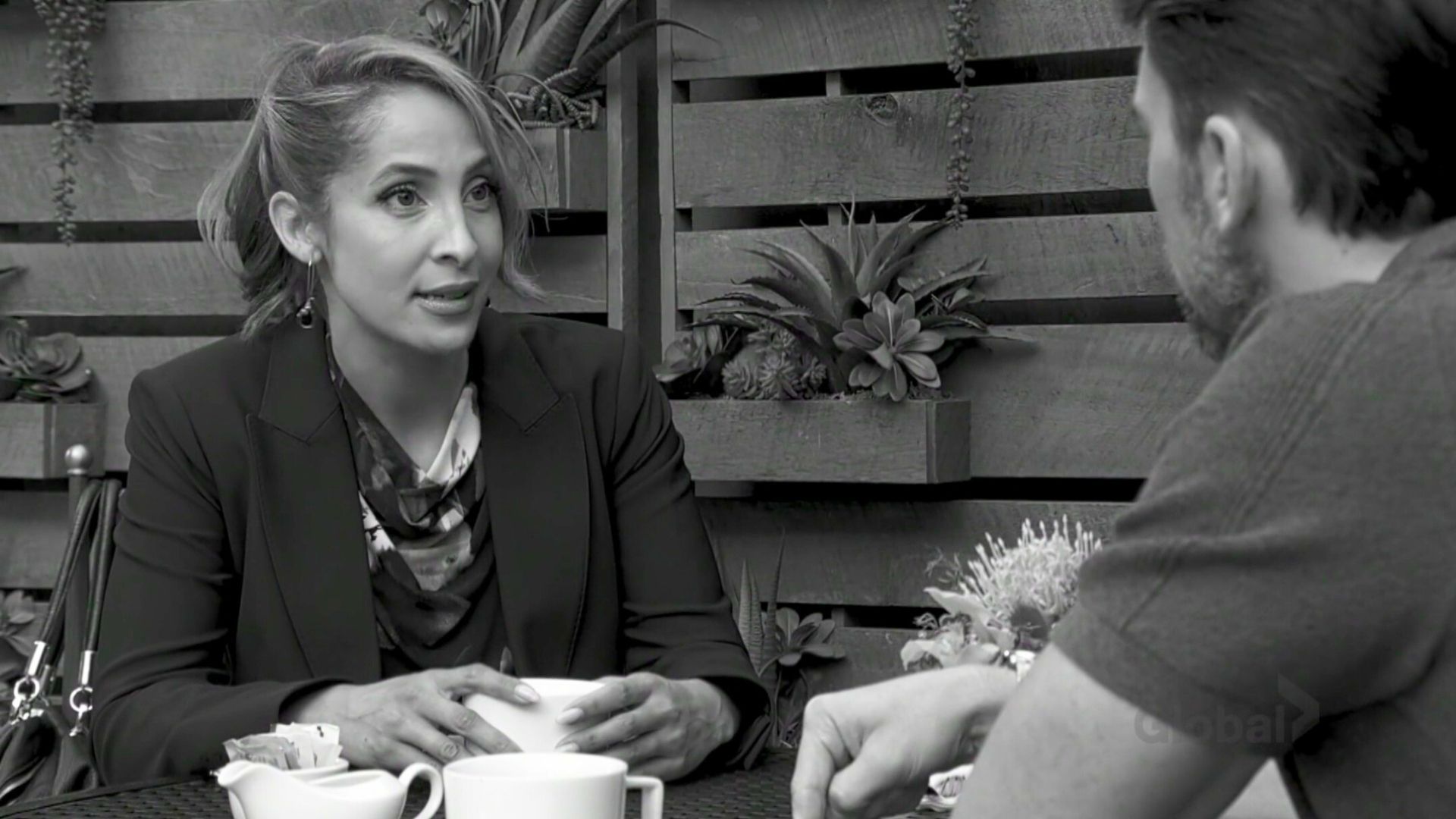
Lily’s Unfathomable Threat: A Mother’s Desperation or Cruelty?
The sheer audacity of Lily’s words in that flashback leaves viewers reeling. Mattie and Charlie were already adults at that time – as Cane himself desperately pointed out. So, what exactly was Lily suggesting? That she would actively manipulate their own children against their father, all because he wanted them to meet their dying grandfather? While Colin Atkinson has a checkered past, Lily’s extreme response to Cane’s plea for a simple family farewell feels disproportionate and even cruel. The recap astutely questions Lily’s logic, highlighting the “what-the-heck-did-we-just-watch” absurdity of her stance. This particular conversation, rather than being a memory to avoid, now serves as a chilling reminder of a threat so profound, it could inadvertently ignite the darkest corners of a man’s soul. It forces us to reconsider Lily’s character, asking if her fierce protection of her children, or perhaps a deeper, unacknowledged resentment towards Colin’s influence, pushed her to a point of unforgivable emotional blackmail.
Cane’s Transformation: A Vengeful Heart Forges an Empire
This unearthed flashback provides a startling new lens through which to view Cane’s radical transformation into Aristotle Dumas. The recap powerfully suggests that Lily’s threat – “the woman who would threaten to take his kids away rather than have a conversation” – was the very spark that ignited his ambition and ruthlessness. Imagine the depth of that personal wound: a man told he might lose access to his beloved children, not through legal means, but through the emotional manipulation of their mother. This kind of raw, personal betrayal could easily fuel a desperate need for control, for power so vast that no one, not even Lily, could ever again threaten to strip him of what he holds dear.
It posits that Cane didn’t just disappear; he deliberately “constructed another identity, immeasurable wealth” as a direct, albeit twisted, response to Lily’s ultimatum. His sprawling, shadowy empire, his relentless pursuit of power, and even his current schemes to acquire Chancellor-Winters, could now be seen as the ultimate, twisted form of vengeance or, perhaps more tragically, a desperate attempt to prove his worth and control his destiny after feeling utterly powerless against Lily’s threat. This personal, dark motivation adds a layer of tragic grandeur to Cane’s villainy, making him a complex figure driven by a deep-seated grievance rather than just pure greed.




The Echoes of the Past: How This Rewrites Current Events
This shocking backstory irrevocably alters our perception of current events in Genoa City. If Aristotle Dumas’s entire foundation was laid upon Lily’s devastating threat, how does that impact Cane’s present interactions with her? Does his desire to “win back the woman” stem from love, or a need for ultimate control over the one who wounded him so deeply? His current ruthless pursuit of Chancellor-Winters, a company deeply tied to Lily and her family, takes on a far more personal, almost obsessive, dimension. It frames his ambitious schemes not just as corporate raids, but as a twisted attempt to reclaim what he feels he lost, or to prove his dominance over those who once held power over him.
This revelation forces viewers to re-evaluate every past and present interaction between Cane and Lily. It raises profound questions about forgiveness, betrayal, and the long-term consequences of emotional wounds. The saga of Aristotle Dumas is no longer just a tale of criminal enterprise; it’s a deeply personal vendetta, born from the heart of a broken family, and now poised to unravel the very fabric of Genoa City, all because of a shocking threat whispered in a moment of anger years ago.